

Breaking Up with Instagram
The battle for our attention requires so much more than social media fasts, time-limit apps, and self-control.

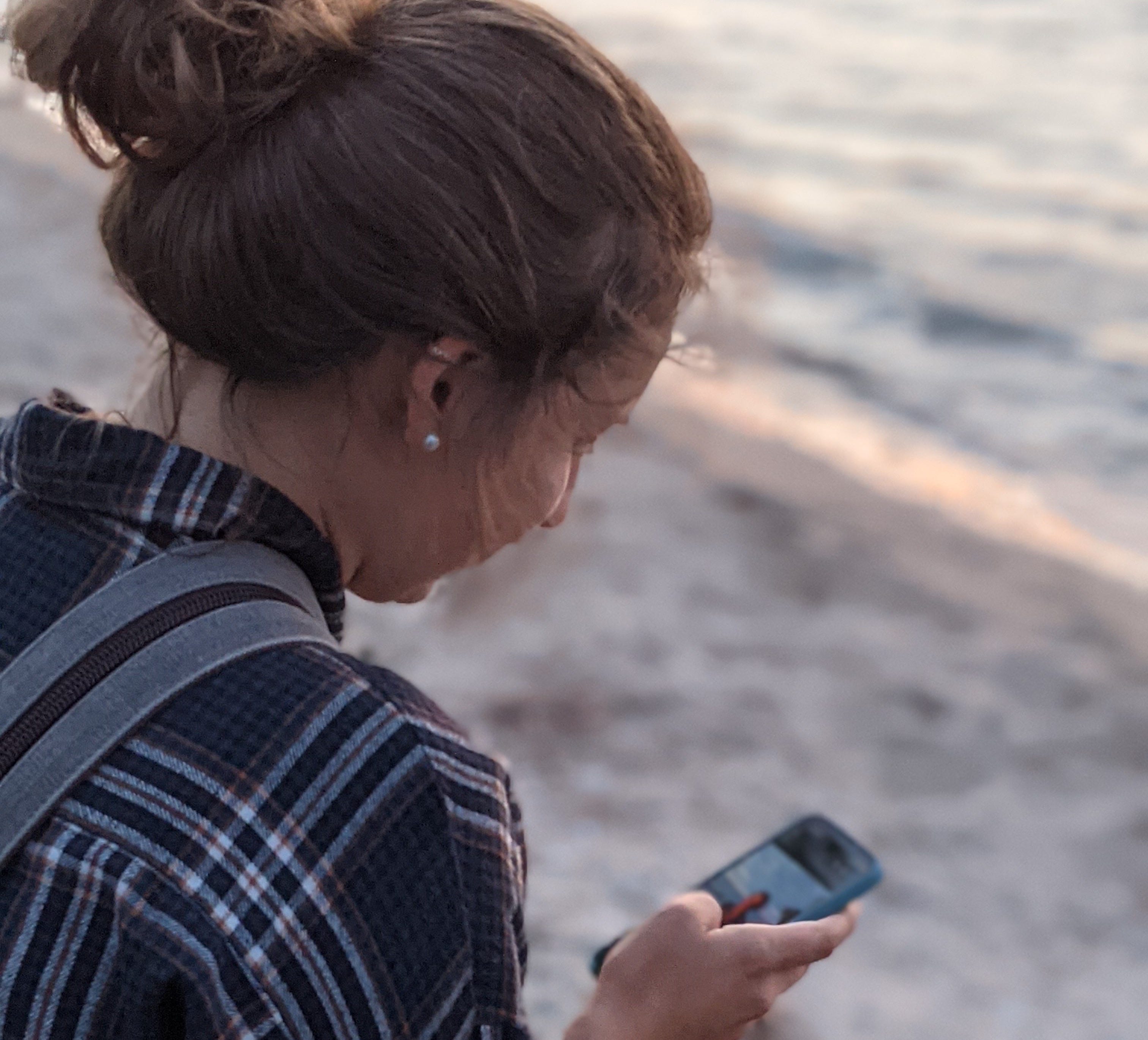
I remember how excited I felt when I started my first Instagram account ten years ago. It seemed a little rebellious but also so grown up.
My first posts were cheesy. Grainy pictures from my cheap smart phone and captions about studying, fall, coffee, and everything else you can imagine on a Millennial Instagram account in those early days.
Instagram was so simple then. It was just people posting random pictures from their lives.
I don’t remember when all the changes happened. It was a gradual process. I do remember my friends and I started to complain about all the ads that seemed to populate the app.
One day, my feed was full of my friend’s memories. The next, every other picture was something someone was selling or a promoted post from someone I’d never heard of.
I remember watching things become more and more “curated”. Que the days of “white girl Instagram” and snapchat face filters. Everything was about the aesthetic and it was anxiety inducing to post anything because it needed to be, literally, picture perfect (while also being “authentic”).
Then, out of nowhere, they arrived in August of 20201. The reels.
I was intrigued by the concept of short form video at first. The algorithm didn’t know me well so it brought me all sorts of oddities. Until it learned me and suddenly, I would find myself scrolling for hours through things that fascinated me, from homesteading accounts to dating psychology to fashion tips.
Over the years, my social media use would ebb and flow. I would get a good handle on my scrolling with different screen time limit tools. But, before long, I would circumvent the limits and inevitably, fall back into hours of watching short videos.
I kept making goals for myself to spend less time on the app. Whenever I would have to answer the question, “What’s holding you back in your life”, or “What’s negatively impacting you,” it was always the same answer: “Instagram.”
I hated it. I was ashamed of it. Surely I could will myself into not falling into the hole again…and again.
It’s embarrassing to say it, but I couldn’t. I didn't have the willpower I needed.
I’m not here to say everyone should delete Instagram2. But my experience with it over the last ten years has taught me something:
The battle for our attention requires so much more than social media fasts, time-limit apps, and more self-control. It requires us looking square in the face of this thing that we use every day and asking, “is it worth it?”
Everything in life has pros and cons. There are so many good things about Instagram, especially when it comes to connecting with people I love.
This is why I didn’t delete it sooner. I didn’t want to lose touch with people. I needed to have a way to market my writing. I liked sending funny reels to my friends.
But I had to ask myself if the short attention span I’d developed, the way I was running from pain, and the loss of my ability to live real life was worth it.
Spoiler: it really wasn’t.
Losing My Attention
I used to be able to read for hours on end. I would sit and watch a full movie without even thinking of picking up my phone. I would write in a notebook and not look up until I finished the chapter or essay I was writing.
Best of all, I would spend time with people without wondering if I had gotten a message. I didn’t even feel the need to interrupt a conversation to capture a photo. I was just in the moment I was in with the people I was with.
In the early days of Instagram, I didn’t struggle with this at all. The app wasn’t addicting and there wasn’t constantly more to see or respond to. I often would reach the end of my feed after a few minutes on the app.
But once reels were added, there was always something else to look at or react to.
I feel like my brain has been rewired over the past six years and I miss the old me that was able to focus for longer.
I hate that I now have this “need” to check my notifications every few minutes.
I hate that I feel like I always have to chase novelty and like I need to see every notification right away.
That constant validation has truly wrecked my ability to be right where I am, doing what I’m doing in that moment.
I know my mind wasn’t made for this type of constant distraction. It was made for focusing on what’s in front of me.
I decided that the cost of my attention, of my very presence, wasn’t worth it. So Instagram had to go.
Scrolling Away Pain
Not only had I lost my attention span, but I lost the ability to face reality.
I found that I didn’t struggle so much with doom scrolling when I was energized and emotionally and physically healthy.
It was when I was depressed, sad, sick or just didn’t want to deal with life that I would use scrolling to delay processing and put off dealing with uncomfortable emotions.3
What’s unique about Instagram is that my other types of “escapes” have an end where you have to get up and deal with thing.
Like, if I watch a movie, I might be able to put something off during the movie, but, before you know it, the end credits are rolling. If I’m reading a book, eventually the pages come to an end or my eyes get tired and I have to put it down.
With Instagram, I could just scroll myself into oblivion. There’s no “end point” where I have to go back to reality.
This was the danger for me. I was able to fill every in-between moment with a scroll that kept me from having to deal with the living and breathing parts of me.
I would rather distract myself from the pain, discomfort, and emotions below the surface than acknowledge and deal with them like I should.
Instagram allowed me to pretend I wasn’t in pain. To avoid dealing with things I didn’t want to face.
I could scroll myself into oblivion before I went to bed and start the morning that way and fill every in-between moment I had.
I started to notice that as I tried to face up to the pain of transitions and traumas in my life over the last couple years, Instagram became an unhealthy coping mechanism and escape for me.
I think this is the real reason why I couldn’t get a good handle on my addiction to it.
Part of me is terrified to be exposed to myself in this way now. But I know it is needed.
I cannot go forward if I’m not willing to deal with the pain of life. I don’t get to scroll it away.
Living the Real Life
Every time I’ve done a social media fast, I’ve found that the world literally becomes brighter.
The colors around me are more vibrant. I’m more in the moment, not concerned about getting a perfectly posed, framed picture.
I’m not so concerned about how my life looks or even how I look physically. I don’t compare myself so much to other people’s milestones.
I don’t get flooded with random content that I didn’t choose to consume. My entertainment becomes more purposeful and curated.
When I think of my life without Instagram, I think of living in real life, in real time.
Not worried about how to boil an experience down to a post, or not being present in the moment or escaping pain.
Just living life.
I’m excited to find new ways to fill the void of Instagram. I’ve already started printing my favorite photos and I want to start scrapbooking and sending friends highlight collages.
I want to utilize my “grandma basket” more, with its adult coloring books, old magazines, a crossword puzzle book, and crochet supplies to help me when I feel the need to do something mindless.
I look forward to connecting more directly with people I love, texting them photos or checking in just because I thought of them, not because I saw their most recent story.
I’m excited to have the brain space explore what fills me up in my downtime besides scrolling.
Mostly, I just want to live the life I was meant to live, with focus, honesty, and the ability to truly be present with the people I love.
I feel a little like George Bailey4 , saying, “I want to live again.”
Breaking up with Instagram feels like a step closer to building the kind of life I want to have. It was costing me far too much.
Life is too short and too precious to be robbed of it by an app.
Here’s to life5 without Instagram.
Though I wish they would because it would make life easier for me and I’d feel less left out! ;)
Josh Nadeau’s book, Room for Good Things to Run Wild, helped me recognize this.
I finally left IG and FB a few months ago. Nothing but good came from it. Getting to know myself all over again. Sad that the real me was waiting for my decision so she could come back out of hiding.
I too struggle with turning to my phone when I want to avoid reality/the hard things going on. I hate how easy this is!!! I really want to do better about not being on my phone constantly